Kilimanjaro Training Plan: 8-Week Fitness Plan for Summit Success
June 26, 2026
Climbing Mount Kilimanjaro is one of the most achievable high-altitude adventures in the world, but proper preparation is essential for success. The mountain rises to 5,895 meters, and the biggest challenge is not technical climbing but endurance and altitude.
Why Training Is Important
Training helps you improve cardiovascular endurance, strengthen legs and core muscles, prepare for multi-day hiking, reduce fatigue during summit day, and increase overall summit success.
When to Start Training
Begin your training 8 to 12 weeks before your climb.
Key Training Areas
1. Endurance Training: Hiking, long walks, running, cycling, swimming (3-5 days/week)
2. Strength Training: Squats, lunges, step-ups, planks, deadlifts (2-3 times/week)
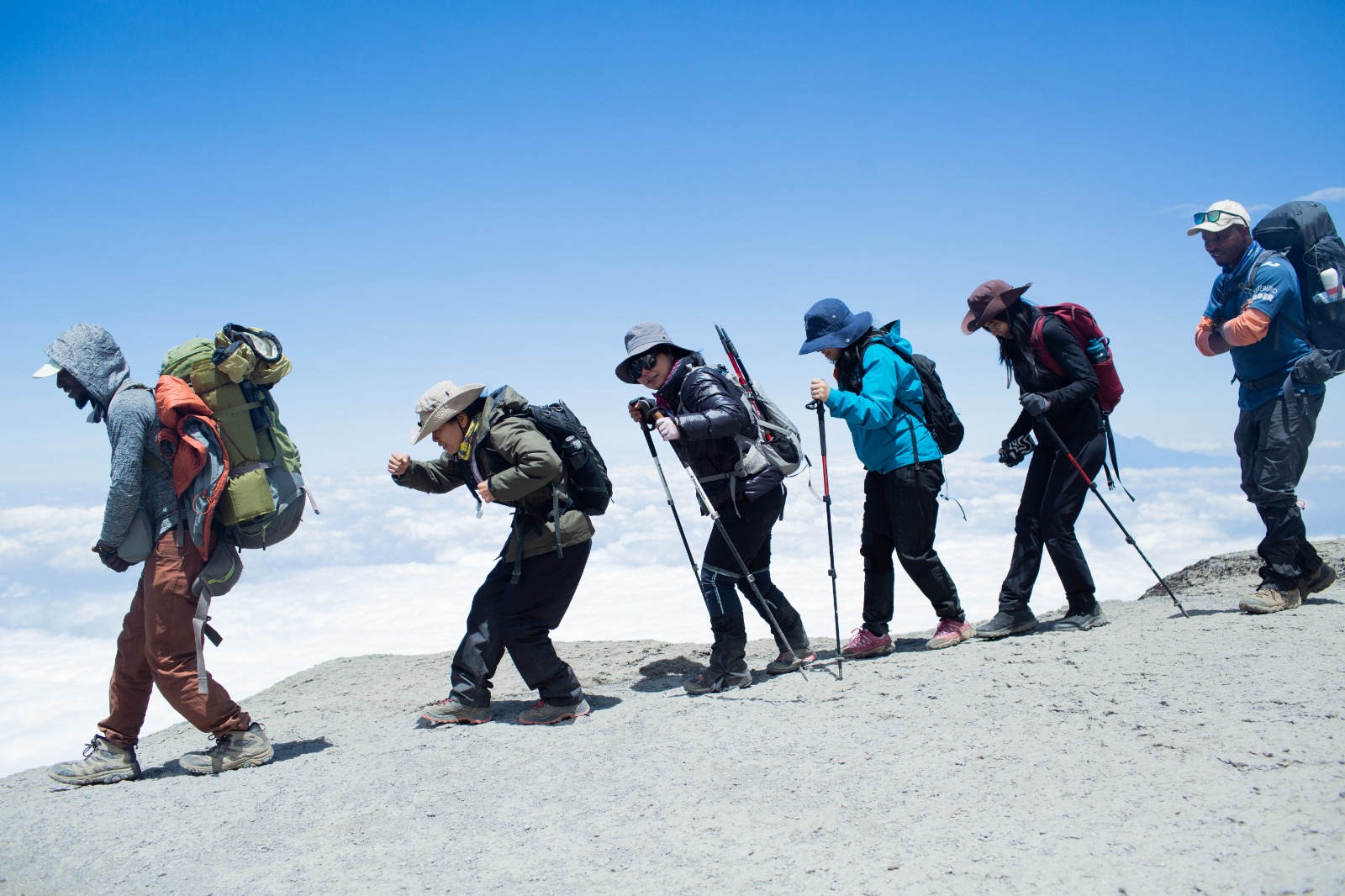
3. Hiking Practice: Hike on hills with boots and backpack
4. Altitude Awareness: Improving cardiovascular fitness helps cope with reduced oxygen
8-Week Plan
Weeks 1-2: Build basic fitness (3 cardio sessions, 2 strength workouts, 1 short hike)
Weeks 3-4: Increase endurance (45-60 min cardio, 2-3 hour hikes)
Weeks 5-6: Simulate trekking (4-5 hour hikes with gear)
Weeks 7-8: Peak preparation (5-6 hour hikes with elevation)
Best Exercises
- Stair climbing (20-30 minutes)
- Hill hiking on uneven terrain
- Step-ups (3 sets of 12-15 reps)
- Core training: planks, side planks, Russian twists
Training With Your Gear
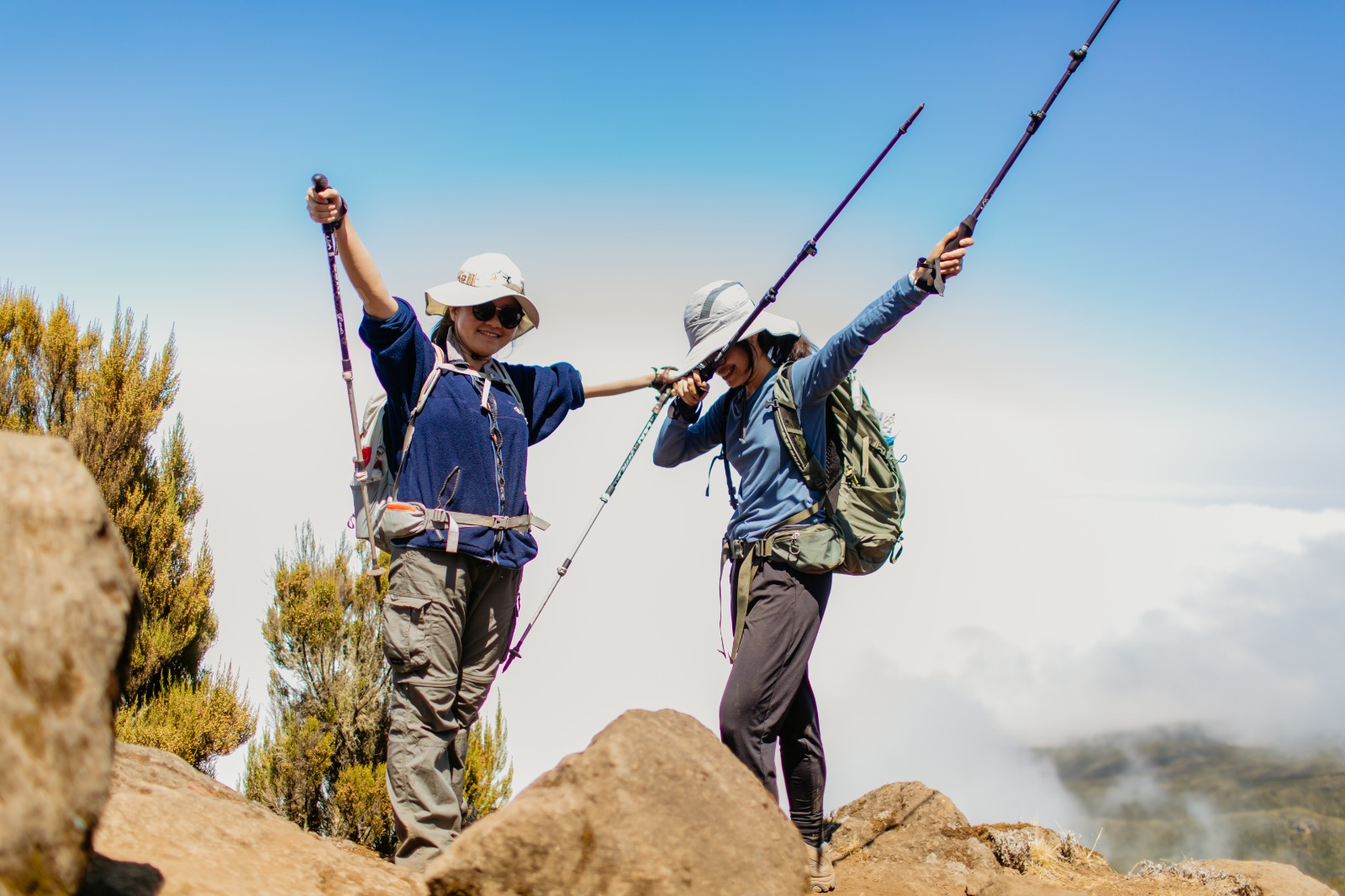
Practice with hiking boots, backpack, and trekking poles.
Common Mistakes
- Training too late
- Ignoring hiking practice
- Overtraining
- Using new gear on the mountain