
The Great Migration in Serengeti National Park is one of the most amazing wildlife events in the world. Every year, more than 1.5 million wildebeest, together with zebras and gazelles, move across the Serengeti ecosystem in search of fresh grass and water.
Many travelers ask, “What is the best time to see the migration?” The truth is that the migration happens all year round, but the experience changes from month to month. The best time depends on what you want to see, whether it is baby animals, large herds moving, or dramatic river crossings.
The movement of animals in Serengeti National Park follows the rain and the growth of grass. As the seasons change, the herds move to new areas where food and water are available.
Because of this natural cycle, the migration does not stay in one place. Instead, it travels through different parts of Serengeti during the year, creating different safari experiences in each season.
From January to March, the migration is found in the southern plains of Serengeti, especially in the Ndutu area. This is the calving season, when thousands of wildebeest babies are born every day.
This period is very special because the plains are full of life. Large herds spread across the open land, and predators such as lions, cheetahs, and hyenas are very active. This creates exciting wildlife action and excellent opportunities for photography.
In April and May, the herds begin to move north from the southern plains. They travel through central areas of Serengeti National Park as they continue their long journey.
This is the rainy season, so the landscape is green and beautiful. There are fewer tourists during this time, which makes the safari more peaceful. Even though the weather can be wet, the wildlife experience is still very rewarding.
As the dry season starts, many animals move toward the western part of Serengeti. Around the Grumeti River, you may see some river crossings, although they are smaller compared to the famous Mara River crossings.
This is also the time of the mating season for wildebeest, when males compete for females. The herds are large, and the movement becomes more active as they prepare to continue north.
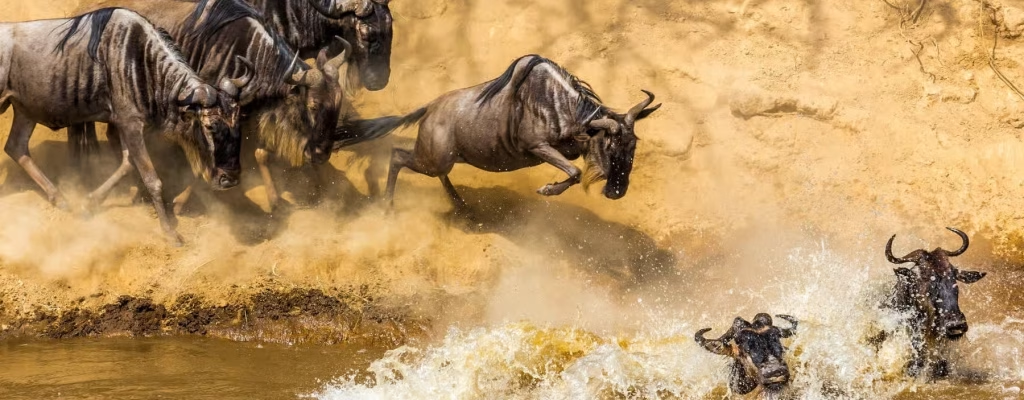
Between July and October, the migration reaches the northern part of Serengeti National Park. This is the most famous time to visit because of the Mara River crossings.
During this period, thousands of animals gather near the river, waiting to cross. When they finally move, it becomes a dramatic and powerful moment. Crocodiles wait in the water, and strong currents make the crossing dangerous.
This is the classic migration scene that many people dream of seeing.
When the short rains begin in November, the herds start moving south again. They pass through central and eastern Serengeti as they return to the southern plains.
By December, the migration is heading back to the same areas where the cycle will begin again with the calving season.
There is no single perfect month to see the migration. Each season offers something different. If you want to see baby animals and predator action, the early months of the year are ideal. If you are interested in large moving herds, the middle of the year is a good choice. For dramatic river crossings, the best time is between July and October.
For travelers who prefer fewer crowds and a quieter experience, the end of the year can be a great option.
Different parts of Serengeti National Park are important at different times of the year. The southern plains are best for calving season, while central Serengeti is good for general wildlife viewing throughout the year. The western area is known for Grumeti River crossings, and the northern region is the best place to see the famous Mara River crossings.